Introducing the 4C Group Sustainability Hub
15 August 2026
A single dashboard for every hotel in the group, built to turn raw data into real decisions
Sustainability reporting in hospitality is often assembled by hand. A finance team exports a utility bill. An F&B manager estimates food waste from memory. Someone walks the floors counting reams of paper. All of it lands in a spreadsheet tab that gets opened again only when a certification body asks for it.
We wanted a better way to do this, so we built one.
What it actually is
The 4C Sustainability Hub is a live operations dashboard for hotel groups. It connects directly to energy meters, waste tracking systems, and occupancy data, pulling everything into a single, real-time view across every property in a portfolio.
The key difference is timing. This isn’t a form you fill in at the end of the month to satisfy a report. It’s a tool you use throughout the month, so that by the time the report is due, it has effectively already written itself.
What it tracks
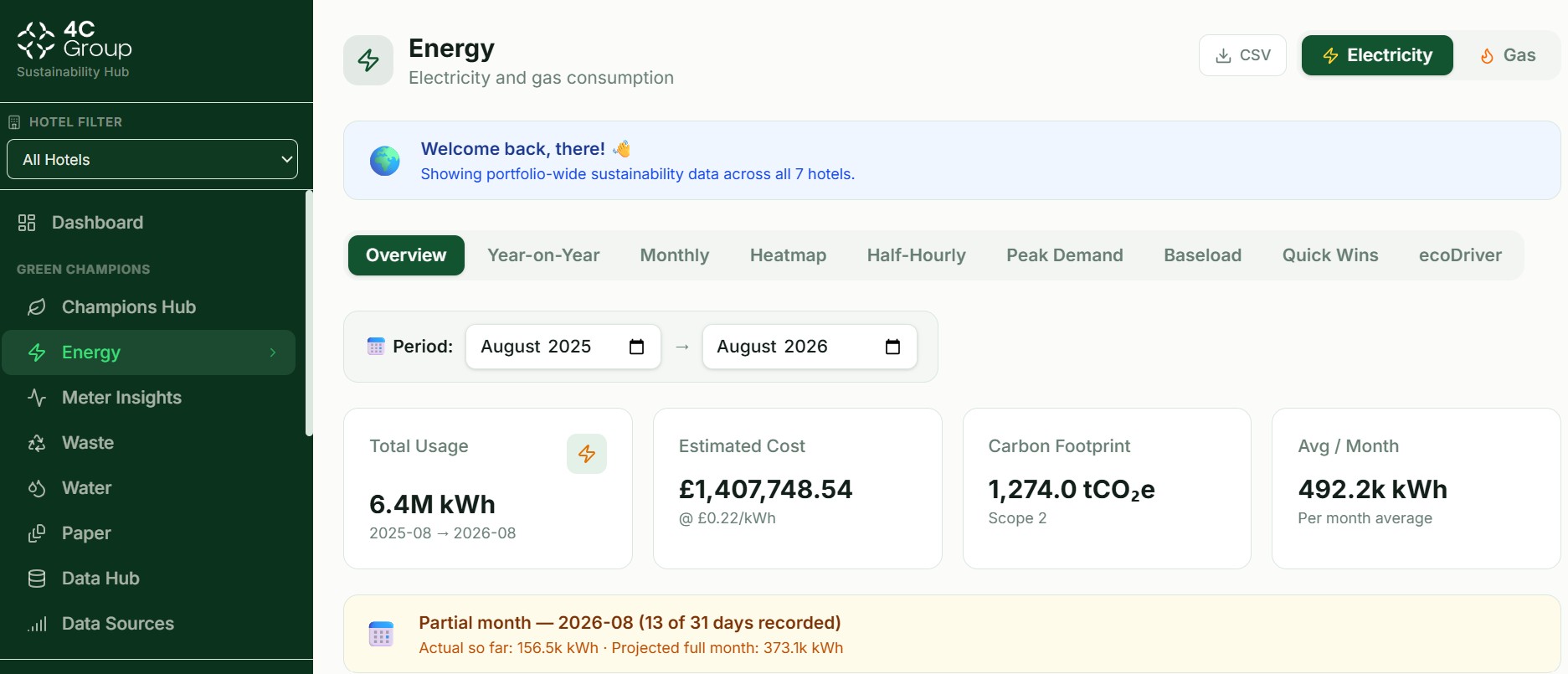
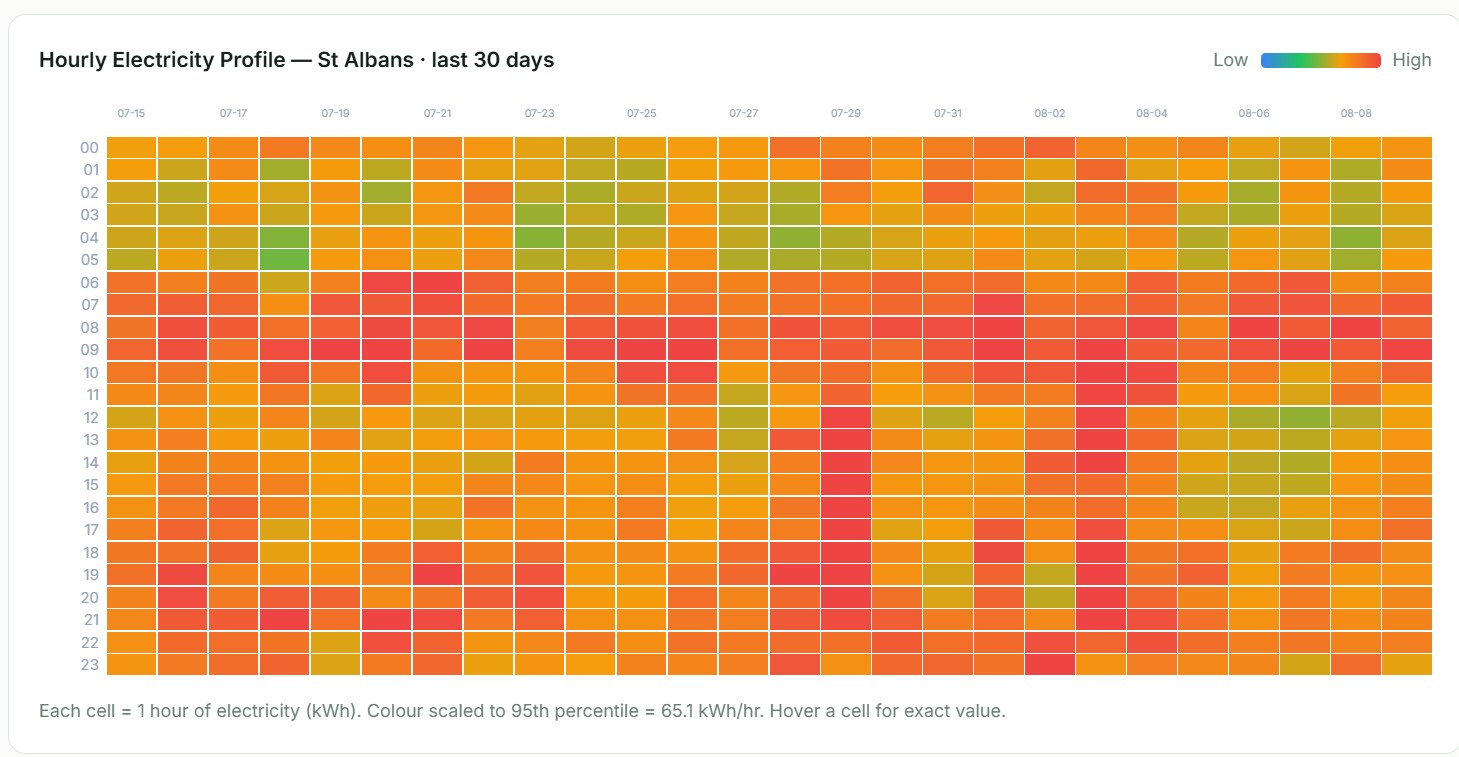
Energy. Half-hourly electricity and gas readings flow in automatically from smart meters and EcoDriver. The dashboard surfaces daily, weekly, and monthly trends and flags anomalies, so if one hotel’s Monday usage jumps 40% versus the same Monday last month, that shows up immediately rather than three months later in a quarterly review.
Water. Monthly consumption with cost and trend analysis, always shown against the same period last year, so the comparison is never more than a glance away.
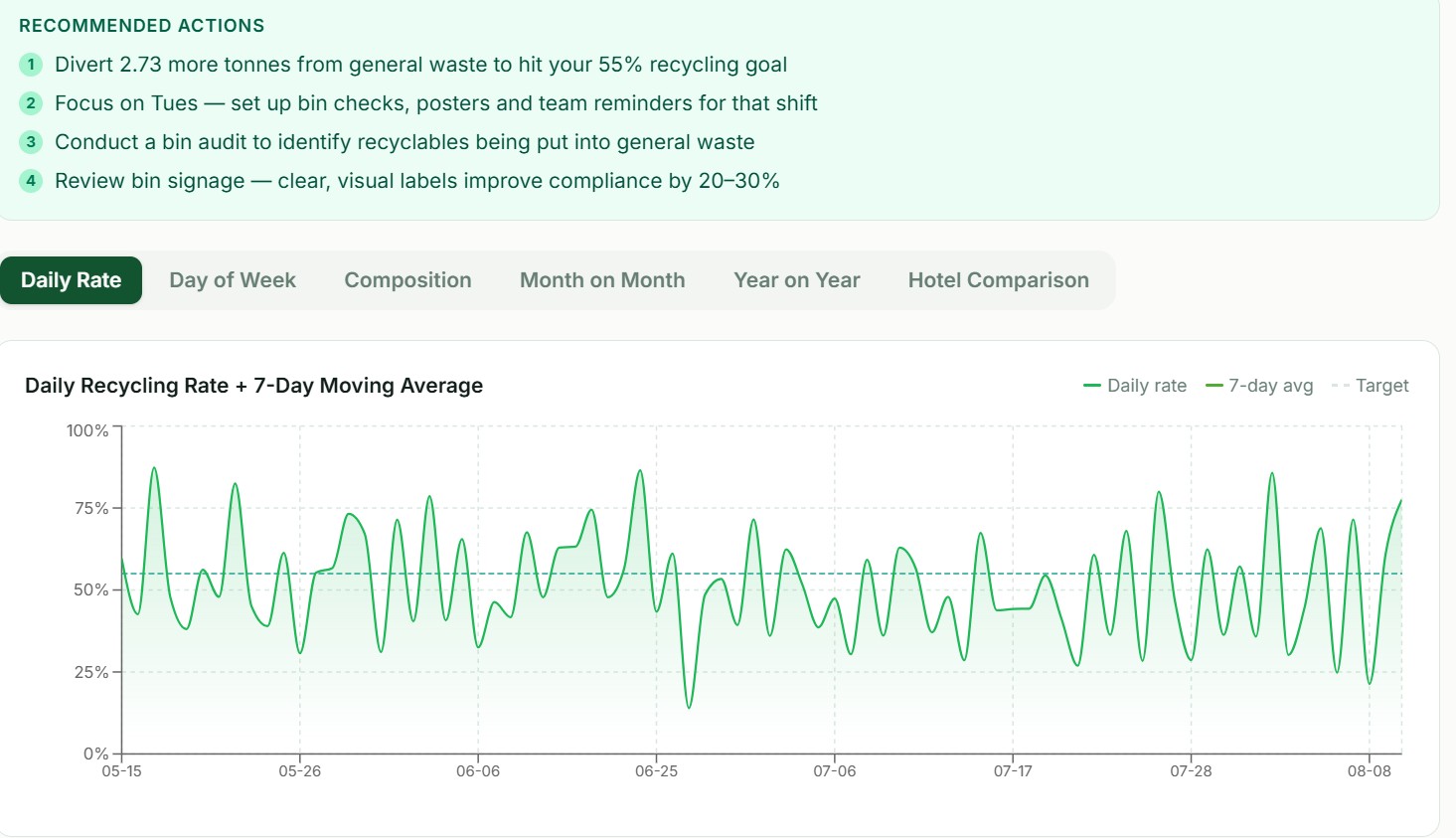
Waste. Daily food waste tracking through Limetrack integration, with automatic kg to meals saved calculations. General, recycling, cardboard, glass, and mixed streams are tracked separately, and both the recycling rate and food waste cost update live as figures are entered, before anyone even hits save.
Occupancy. Sleepers, room nights, food covers, and occupancy percentage give every energy and waste figure a denominator, so a hotel’s consumption can be read against how busy it actually was.
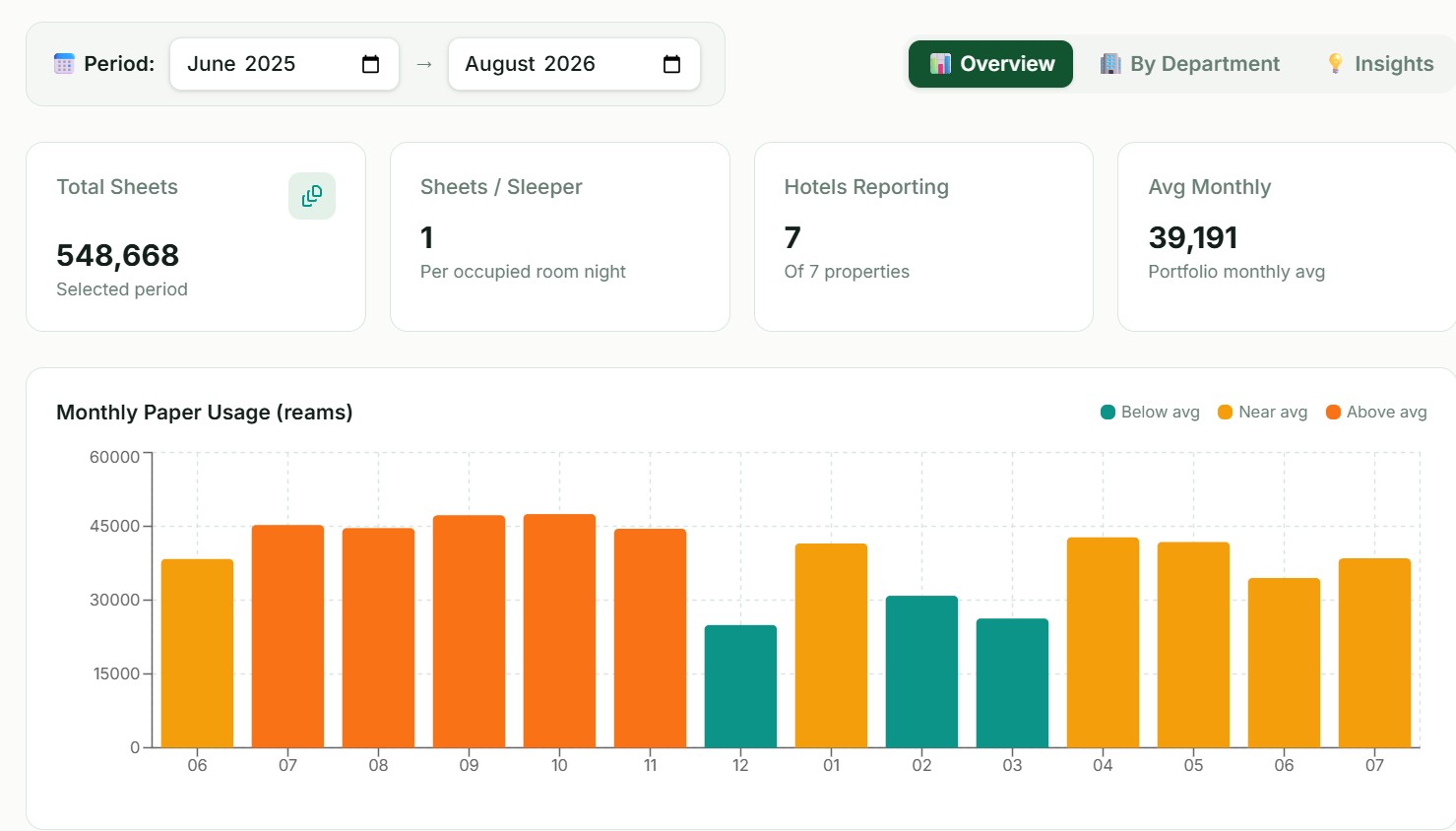
Paper. Per department sheet counts across Front Desk, Finance, Kitchen, Housekeeping, and more, broken down by team rather than tracked as one blended total.
Attendance. Meetings, training sessions, and sustainability events, logged per property, per month.
The part that saves the most time
The Data Hub is where property teams submit their monthly figures, and for hotels connected to automated data sources, most of that form is already filled in before anyone touches it. Electricity and gas straight from the meter, food waste from Limetrack, sleepers from the PMS feed. Each figure appears alongside its source, so teams are checking a number rather than calculating one from scratch.
For a fully connected property, submitting a month’s worth of sustainability data now takes under two minutes.
What happens with the data
Scorecard. Every hotel is scored across energy, water, waste, and community impact, rolling up to a group level view with month-on-month and year-on-year comparisons built in.
AI Insights. Plain English analysis of each hotel’s performance: what’s improved, what’s slipped, and where the highest impact actions are, based on that property’s actual numbers rather than a generic template.
Reports. One-click PDF and Word exports, ready for board packs, investor decks, or certification submissions.
Heatmap. A cross-property, cross-metric view showing which hotel is using the most energy per sleeper, which is generating the most waste per cover, and where the group’s biggest opportunities sit.
Sustainability is also a people problem
Data is only part of it. The platform also includes a team layer built around the people doing the work.
Green Champions. A companion mobile app where sustainability champions log actions, earn points, and track their hotel’s progress on a friendly leaderboard.
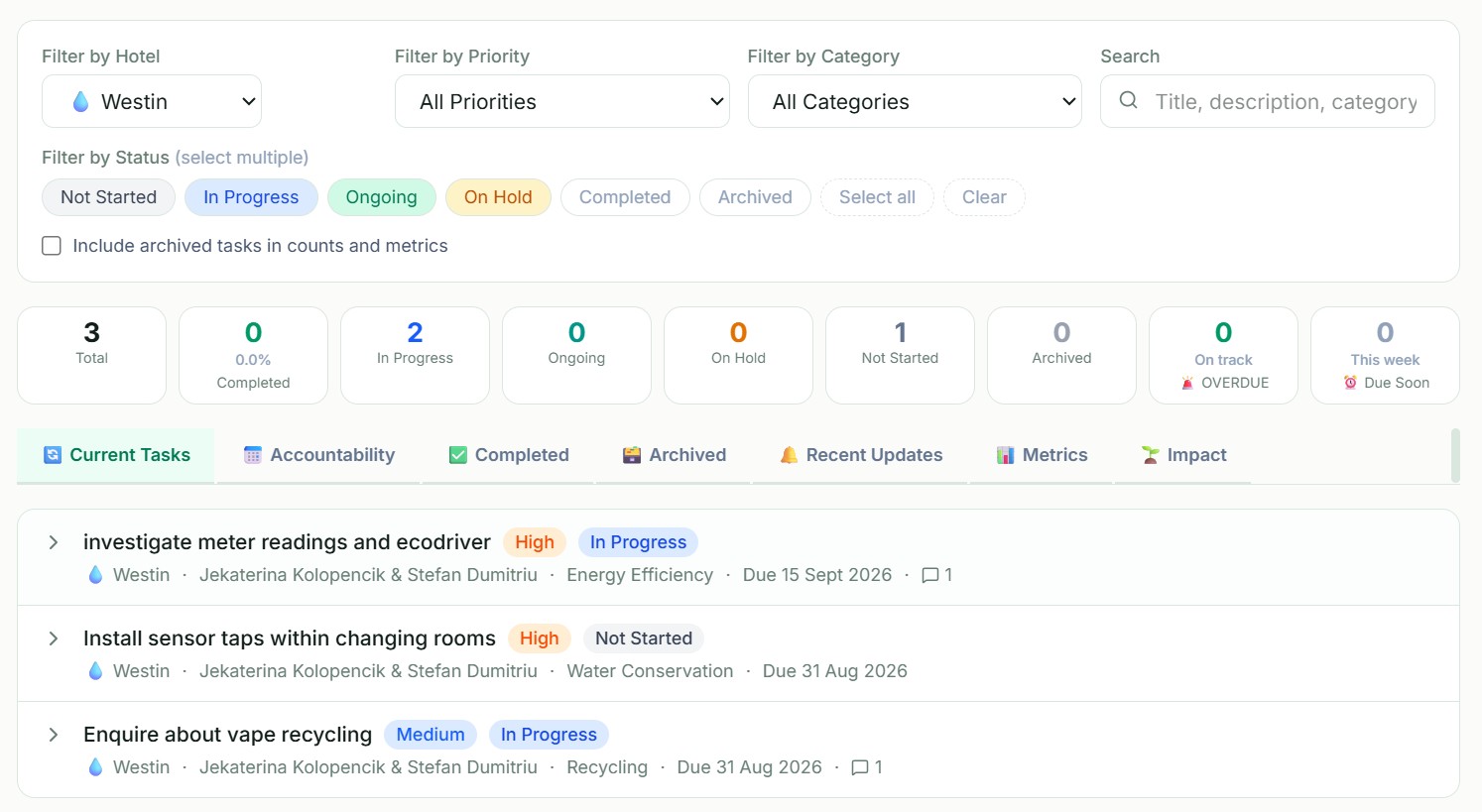
Task Board. Sustainability projects tracked from idea to completion, with photo evidence, impact tagging, and SDG alignment.
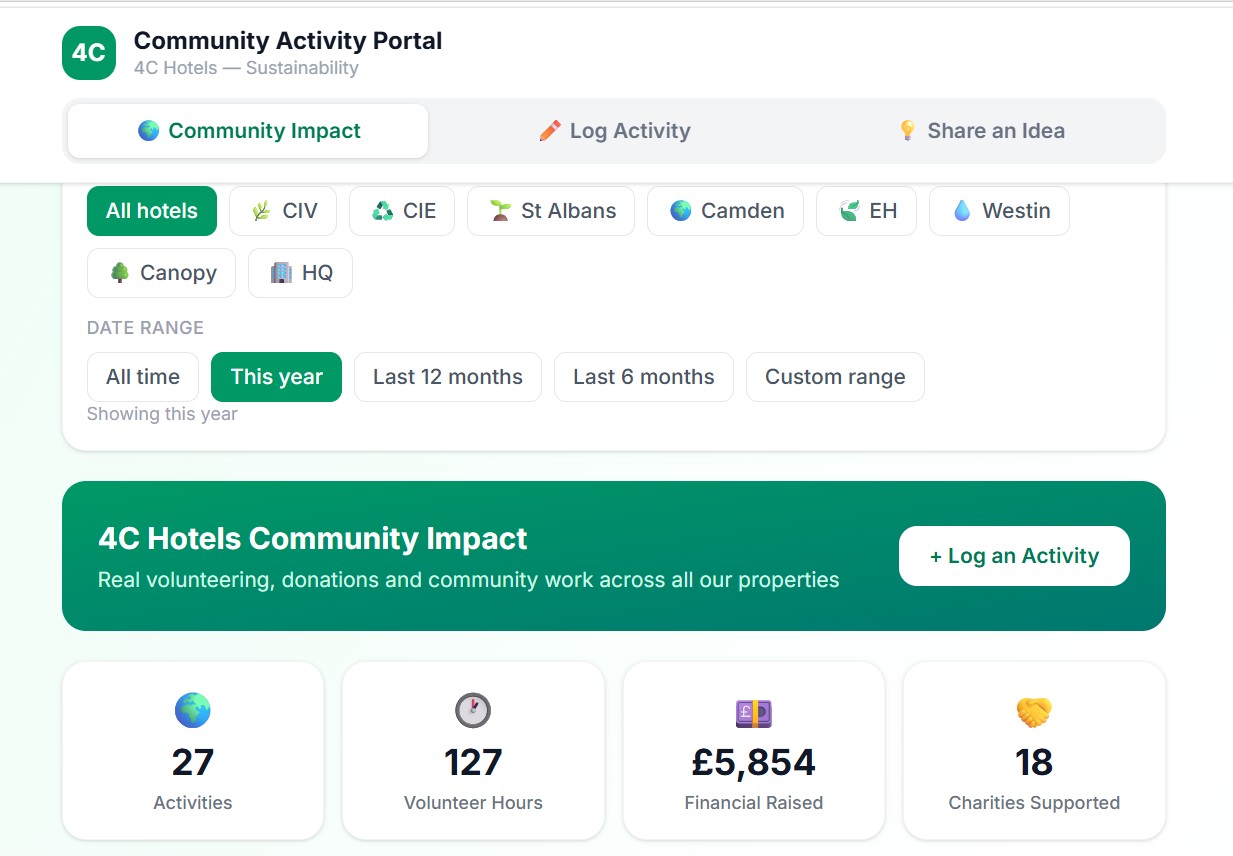
Community Impact. Volunteer hours, charity partnerships, and fundraising, visualised in the numbers that belong in an ESG report but often go uncollected.
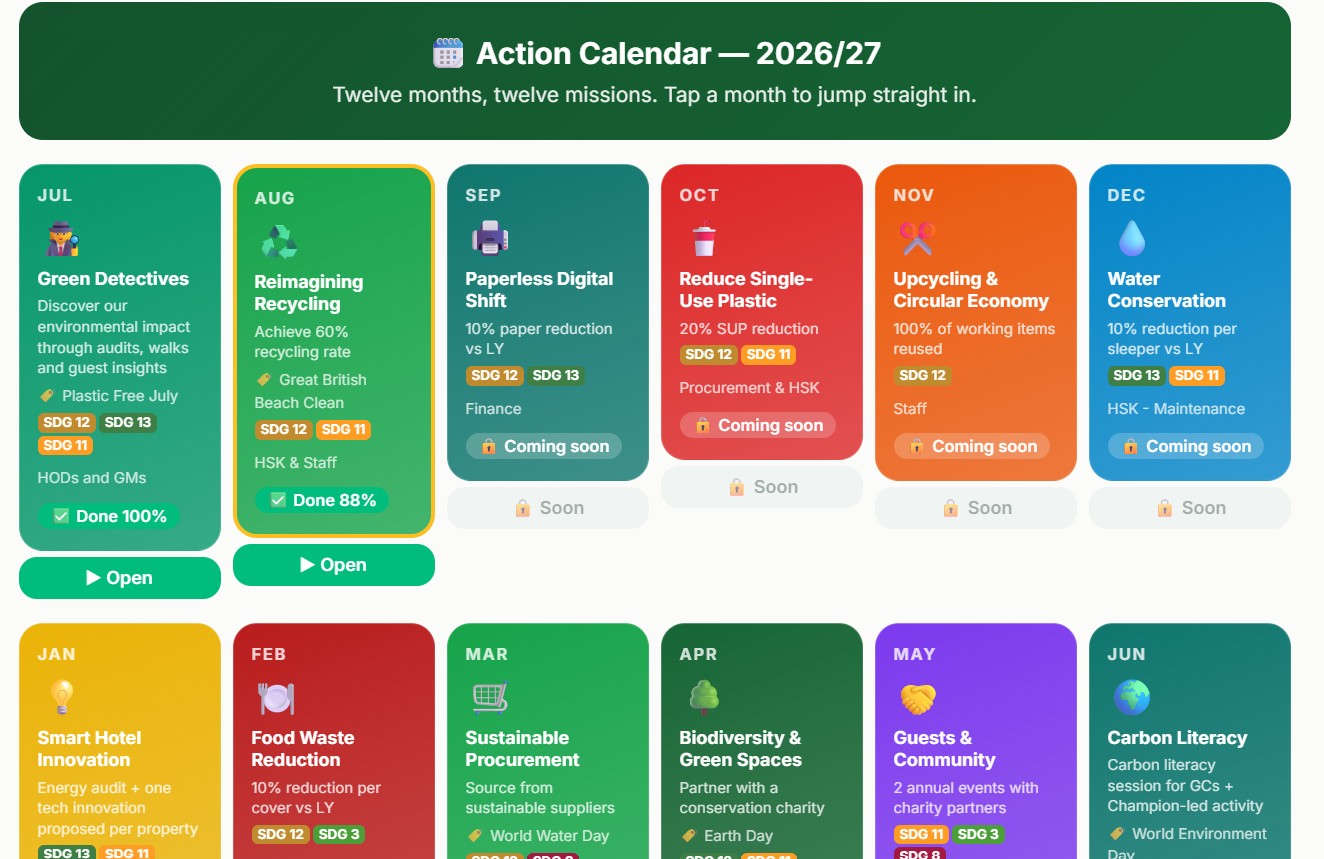
Training. A monthly theme learning calendar aligned to the UN Sustainable Development Goals, with completion tracking per property.
Ideas Portal. Any team member can submit a sustainability idea. Managers review, prioritise, and respond, and the best ideas get turned into tasks.
Built for groups, not just individual hotels
Every part of the platform is designed with multi-property management in mind. The group view is always a click away. A status dashboard shows at a glance which hotels have submitted this month’s data and which haven’t, so gaps get picked up early.
Access is role-based: champions see their own hotel, managers see their portfolio, and administrators see everything, with the ability to edit any record, for any month, at any property.
Why this matters now
Between the EU’s Corporate Sustainability Reporting Directive, the Science Based Targets initiative, and growing pressure from OTAs and corporate travel buyers, sustainability data is increasingly something hotel groups need to have in order, not just on file.
The 4C Sustainability Hub is our answer to that: fewer spreadsheets, fewer manual errors, and data that holds up when someone asks to see it.
The 4C Sustainability Hub is built and operated by 4C Hotels. It currently runs across seven properties in the UK. If you’d like a walkthrough of the platform for your portfolio, get in touch.(responsiblebusiness@4cgroup.co.uk)
About 4C Group
4C Group is a market-leading property developer and operator with a growing portfolio of hotels, residential and mixed-use developments across the UK, East Africa and Canada.
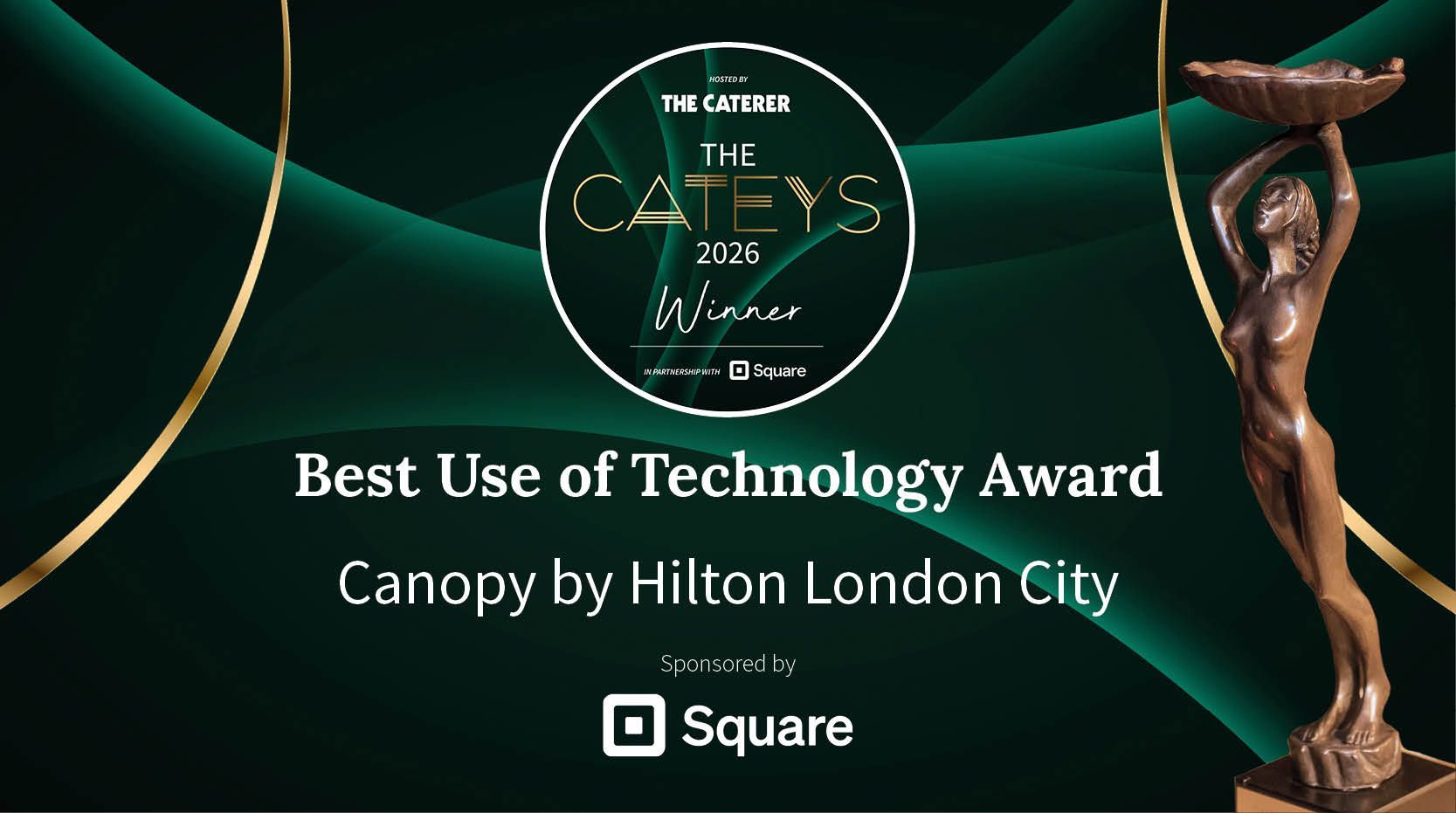
The Group works with major global hospitality brands, including Marriott, Hilton, IHG and Choice, and its portfolio features landmark properties such as The Westin London City and Canopy by Hilton London City, among others.
Through thoughtful development, operational excellence and a commitment to sustainable growth, 4C Group creates exceptional places that deliver lasting value for guests, investors and local communities.
Let’s Connect: